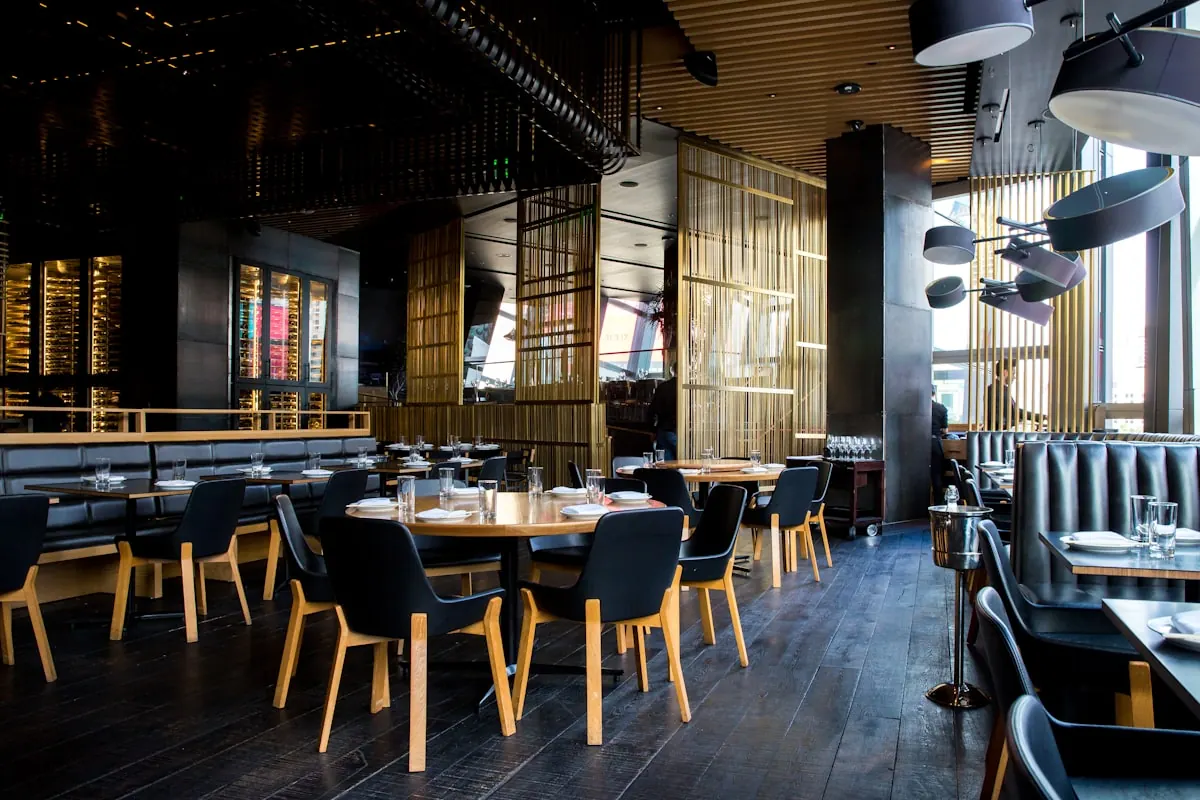
Restaurant meals are one of the first places people give up on tracking.
That is understandable. You did not cook the meal, you cannot see every ingredient, and the menu description usually hides the things that matter most: oils, sauces, butter, dressings, and portion sizes that are much larger than they look in a quick glance.
But the answer is not to pretend the meal never happened. The answer is to get better at estimating the parts that move the result.
The goal is useful accuracy, not forensic accuracy
If your estimate is good enough to keep your weekly average honest, it has done its job.
Most restaurant logging goes wrong in one of two ways: either the meal never gets logged because exactness feels impossible, or the lowest-calorie match gets chosen because it feels emotionally easier. Both create cleaner-looking data and worse decisions.
A realistic estimate beats both.
Start with the anchor, not the whole plate
Every restaurant meal has a few anchor items that do most of the nutritional work. Usually that means the protein, the main carb source, and the obvious fats or sauces.
If you estimate those well, the rest of the plate usually becomes manageable.
Example: chicken burrito bowl
Instead of searching for one perfect entry, break the bowl into components: roughly five to six ounces of chicken, about one to one and a half cups of rice, half to one cup of beans, an ounce of cheese, and a realistic serving of sour cream or sauce. Vegetables and salsa usually matter less unless they are clearly cooked in a lot of oil.
That approach turns one giant mystery into a set of smaller estimates you can actually reason about.
Build a repeatable estimation system
The easiest way to improve is to use the same decision process every time.
Step 1: Find the closest verified chain equivalent
If the meal came from a local burger place, compare it with a chain burger that has a similar bun, cheese, and sauce setup. If it came from a neighborhood poke shop, use a large chain bowl as your baseline.
You are not looking for a perfect brand match. You are looking for a believable starting point.
Step 2: Adjust up for the hidden fat
Independent restaurants usually use more oil, butter, dressing, and finishing fat than people expect. A simple correction goes a long way. Add roughly one tablespoon of fat for a grilled or sautéed dish with no detailed nutrition info, and closer to two for glossy stir-fries, creamy bowls, or vegetables that look heavily coated.
That one adjustment fixes a surprising amount of under-logging.
Step 3: Overestimate dense extras on purpose
Be stricter with the parts that can swing the meal quickly: aioli, mayo-based sauces, dressings, fries, cheese, butter, nuts, and the small shared bites people forget to count. If you are between two estimates, choose the higher number for calorie-dense extras and the more conservative one for vegetables.
Use your hand when you cannot weigh
A rough hand guide is still useful in restaurants. A palm-sized protein portion is usually around $25$ to $30$ grams of protein. A cupped hand of cooked carbs often lands around $25$ to $35$ grams of carbs. A thumb-sized portion of fats is often around $10$ to $12$ grams of fat.
It is not exact, but it is consistent, and consistency is far more useful than pretending a random app entry is perfectly true.
Three examples that usually work well
1. Steak frites
Think of steak frites as three separate decisions: the steak portion itself, a full restaurant fries serving rather than a tiny fast-food one, and at least one tablespoon of finishing butter or oil unless you know otherwise. The finishing fat and the real fry size are what most people miss.
2. Pasta dish
For pasta, assume the restaurant bowl is larger than what you would plate at home. Two to three cups cooked is often a more honest range, then add protein separately if chicken or shrimp is included. Tomato sauces are usually lower-risk estimates; cream sauces almost never are. And there is usually extra oil or butter layered in on top of what feels visible.
3. Sushi dinner
For sushi, estimate roll by roll. Spicy mayo, eel sauce, cream cheese, and tempura flakes deserve their own attention because they can change a fairly light order into a calorie-dense one very quickly. If the meal is mostly sashimi, keep it simple and count by pieces.
What to do the next day
Do not follow one imperfect meal with an overcorrection. The best move is usually the most boring one: go back to your normal breakfast, hit protein early, drink water, and let your weekly average absorb the noise.
People who stay consistent are rarely the ones who never eat out. They are the ones who return to normal quickly afterward.
A rule worth keeping
If the meal was hard to track but easy to enjoy, log it honestly and move on.
Macro tracking works when it helps you notice patterns, not when it turns every dinner into a courtroom cross-examination. Use the same estimation framework every time and two things usually happen at once: your data gets cleaner, and your stress drops.
Once you have a number you trust, the macro calculator will tell you what the rest of your day has room for.