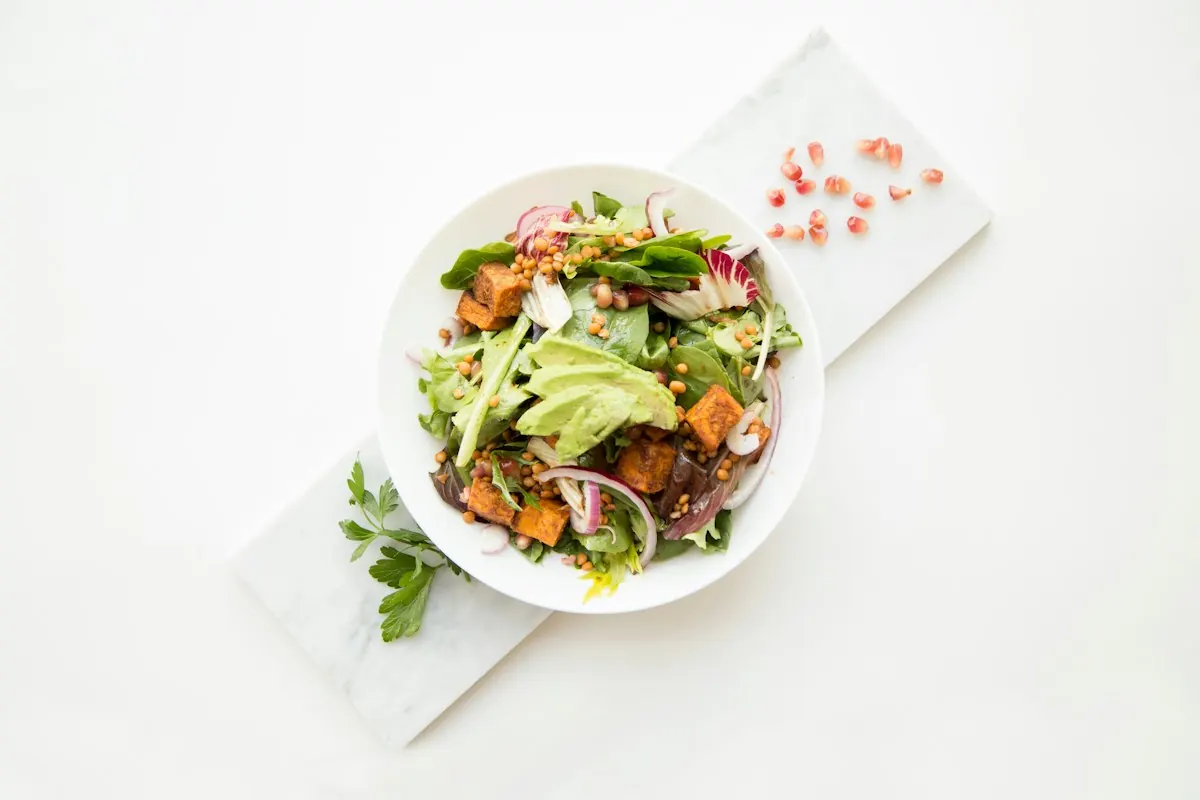
Here's a truth most macro trackers eventually face: the days you hit your targets perfectly are usually the days you prepared your food in advance. The days you miss? Those are the days you were "winging it."
Meal prep is not just about convenience. It is about accuracy. When you weigh and portion food in advance, you remove the guesswork from your tracking.
This guide will show you how to build a meal prep system that makes macro tracking automatic.
Why Meal Prep Improves Accuracy
The Problem with Real-Time Tracking
You stand in the kitchen after a long day. You're hungry. You throw together a meal, estimating portions:
- "That looks like 6 oz of chicken..."
- "Maybe a cup of rice?"
- "A tablespoon of olive oil, probably..."
The result: You're off by 300-500 calories and 20-30g of protein. Not because you're careless, but because estimating is inherently imprecise.
The Meal Prep Advantage
When you prep in advance:
- You weigh everything on a digital scale
- You portion into containers while you're not rushed
- Your macros are calculated once, accurately
- Logging becomes as simple as "tap to add saved meal"
The 80/20 Rule: 80% of your results come from 20% of your meals. Prep those core meals, and the rest takes care of itself.
The Meal Prep System
Step 1: Identify Your Repeat Meals
Most people rotate through 5-7 meals regularly. List yours:
Common repeat meals:
- Breakfast: oatmeal, eggs, smoothie, yogurt bowl
- Lunch: chicken and rice, salad with protein, leftovers
- Dinner: stir-fry, pasta with meat sauce, tacos, salmon and vegetables
- Snacks: protein shake, Greek yogurt, nuts, fruit
Your task: Pick 2-3 meals you eat most often. These are your prep priorities.
Step 2: Calculate Your Macros Per Meal
Divide your daily targets by your number of meals.
Example (180 lb person, moderate deficit):
- Daily targets: 2,000 calories, 150g protein, 200g carbs, 65g fat
- 4 meals per day
- Per meal targets: 500 calories, 38g protein, 50g carbs, 16g fat
Now build meals that hit those targets.
Step 3: Build Your Meals
Let's build a "chicken and rice" meal that hits our targets.
Target: 500 calories, 38g protein, 50g carbs, 16g fat
Components:
- Chicken breast (150g raw): 165 cal, 31g protein, 0g carbs, 3.6g fat
- White rice (150g cooked): 195 cal, 4g protein, 43g carbs, 0.3g fat
- Olive oil (1 tbsp): 120 cal, 0g protein, 0g carbs, 14g fat
- Mixed vegetables (100g): 30 cal, 2g protein, 5g carbs, 0g fat
- Seasonings: negligible
Total: 510 calories, 37g protein, 48g carbs, 18g fat
Close enough. Adjust the oil down slightly if you want exact numbers.
Step 4: Scale and Shop
If you're prepping 5 days of lunches:
- Chicken: 150g × 5 = 750g raw
- Rice: 150g × 5 = 750g cooked (about 250g dry)
- Olive oil: 5 tbsp
- Vegetables: 500g
Shopping list generated automatically.
The Sunday Prep Routine
Total Time: 2-3 Hours
Phase 1: Batch Cooking (60-90 minutes)
Cook all proteins at once:
- Chicken: Bake 3-4 lbs seasoned different ways (lemon pepper, BBQ, plain)
- Ground meat: Brown 2-3 lbs with seasoning, drain fat
- Eggs: Hard-boil a dozen
Cook all carbs at once:
- Rice: 2-3 cups dry (yields 6-9 cups cooked)
- Potatoes: Roast 3-5 lbs with spray oil
- Pasta: Cook 1-2 lbs, portion dry if preferred
Phase 2: Portioning (30-45 minutes)
Weigh and assemble containers:
- Tare your empty container
- Add protein (weigh it)
- Add carbs (weigh it)
- Add vegetables (weigh or volume measure)
- Add fats (measure oils, nuts, cheese)
- Seal and refrigerate
Phase 3: Extras (15-30 minutes)
- Wash and portion raw vegetables
- Portion snacks into baggies or containers
- Make overnight oats or chia pudding
- Prepare protein shake ingredients
Storage and Safety
Container Guidelines
Best options:
- Glass containers: microwave and dishwasher safe, no staining
- BPA-free plastic: lighter, good for cold meals
- Divided containers: keep foods separate if preferred
Portion sizes:
- Single-compartment: 3-4 cup capacity
- Divided: 2-3 cups main, 1 cup sides
Storage Times
Refrigerator (40°F/4°C or below):
- Cooked chicken: 3-4 days
- Cooked beef/pork: 3-4 days
- Cooked fish: 1-2 days
- Cooked rice: 4-6 days
- Cooked vegetables: 3-5 days
Freezer (0°F/-18°C):
- Most cooked meals: 2-3 months
- Label with date and contents
The 4-day rule: If you won't eat it within 4 days, freeze it.
Reheating
Microwave:
- Add 1-2 tablespoons water to prevent drying
- Cover with vented lid
- Heat in 60-second intervals, stirring between
- Internal temperature should reach 165°F (74°C)
Oven:
- 350°F (175°C) for 15-20 minutes
- Cover with foil to retain moisture
- Best for restoring texture to roasted items
Macro-Specific Prep Strategies
High-Protein Prep
The protein problem: Most people easily hit carbs and fats but struggle with protein.
Solutions:
- Protein-forward meal design: Start with 40g protein, then add carbs and fats
- Protein snacks: Greek yogurt, cottage cheese, hard-boiled eggs, jerky
- Protein powder: Keep a tub at work for emergency top-ups
Sample high-protein day (prep-friendly):
- Breakfast: Overnight oats with protein powder and Greek yogurt (40g protein)
- Lunch: Meal prepped chicken, rice, and vegetables (45g protein)
- Snack: Cottage cheese and fruit (25g protein)
- Dinner: Salmon, quinoa, and roasted vegetables (40g protein)
Total: 150g protein
Low-Carb Prep
Low-carb substitutions:
- Cauliflower rice instead of regular rice
- Zucchini noodles instead of pasta
- Extra vegetables instead of grains
- Healthy fats (avocado, nuts, olive oil) to maintain calories
Sample low-carb meal:
- Protein: 200g chicken thigh
- Vegetables: 200g roasted broccoli and cauliflower
- Fat: 1/2 avocado, 1 tbsp olive oil
Macros: 450 calories, 40g protein, 15g carbs, 28g fat
Budget Prep
Cheapest protein sources (cost per 20g protein):
- Eggs: ~$0.60
- Chicken thighs: ~$0.80
- Canned tuna: ~$0.90
- Chicken breast (on sale): ~$1.00
- Ground turkey: ~$1.20
Budget meal prep tips:
- Buy chicken thighs instead of breast
- Use frozen vegetables (same nutrition, lower cost)
- Buy grains and legumes in bulk
- Shop sales and freeze extras
- Canned fish is your friend (tuna, sardines, salmon)
Tracking Prepped Meals in MacroTrackr
Create Saved Meals
Build each prepped meal once, save it, log it with one tap:
- Create a new entry
- Add all components with weighed amounts
- Save as "Meal Prep - Chicken & Rice"
- When logging, search "Meal Prep" and tap to add
Pro tip: Name your saved meals with macros in the title for quick reference:
- "Chicken Rice Bowl (500cal/40P/50C/16F)"
Adjusting Portions
What if you're extra hungry and eat a larger portion?
Method 1: Log the saved meal, then add extra components separately Method 2: Create multiple saved meal sizes (Small, Medium, Large)
Example:
- "Chicken Bowl - Regular" (150g chicken)
- "Chicken Bowl - Large" (200g chicken)
Handling Flexibility
You don't have to eat exactly what you prepped. Use the 80% rule:
80% prepped meals, 20% spontaneous eating.
This gives you structure without rigidity. If a friend invites you to lunch, go. If you crave something different for dinner, make it. Just track it.
Sample Weekly Prep
Sunday Prep Session
Proteins to cook:
- 3 lbs chicken breast (baked, divided into plain and seasoned)
- 2 lbs ground turkey (browned with taco seasoning)
- 1 dozen hard-boiled eggs
Carbs to cook:
- 2 cups dry rice (makes ~6 cups cooked)
- 3 lbs potatoes (roasted with spray oil and seasoning)
Vegetables to prep:
- Wash and portion baby carrots
- Wash and portion cherry tomatoes
- Roast 2 lbs mixed vegetables
Snacks to portion:
- Greek yogurt cups
- Protein shake servings (powder in containers)
- Mixed nuts in 1-oz portions
Meals assembled:
- 5 lunches: Chicken, rice, roasted vegetables
- 5 snacks: Greek yogurt with berries
- Breakfast ingredients prepped: Eggs ready to cook or overnight oats ready to grab
Total prep time: 2.5 hours Time saved during week: 5+ hours Accuracy gained: Immeasurable
Troubleshooting Common Issues
"My food gets dry/boring."
Solutions:
- Add sauces when reheating, not when prepping
- Keep a bottle of hot sauce, soy sauce, or dressing at work
- Prep different seasonings on proteins
- Do not overcook. Slightly undercook, knowing you will reheat
"I get tired of eating the same thing."
Solutions:
- Prep components, not full meals (protein, carbs, veg separately)
- Mix and match throughout the week
- Prep 2 different meal options
- Use the 80% rule: allow 1-2 spontaneous meals per week
"I don't have 3 hours on Sunday."
Solutions:
- Split prep into two sessions (Sunday and Wednesday)
- Focus on just lunches (highest impact)
- Use a slow cooker or Instant Pot for hands-off cooking
- Buy pre-cooked proteins (rotisserie chicken, pre-grilled strips)
"My family won't eat my prep."
Solutions:
- Prep components they can customize (taco bowls, grain bowls)
- Keep family dinner separate, prep just your lunches
- Double recipes and portion your own before serving
The Bottom Line
Meal prep is not about being obsessive. It is about being prepared. When you have accurate, pre-portioned meals ready to go, hitting your macros becomes automatic.
Start small. Prep just lunches for one week. See how much easier your tracking becomes. Build from there.
Start tracking your prepped meals in MacroTrackr with our free tier: unlimited daily entries and 5 saved meals included.
The MacroTrackr Team
Questions about meal prep strategies? Email us at support@macrotrackr.com.